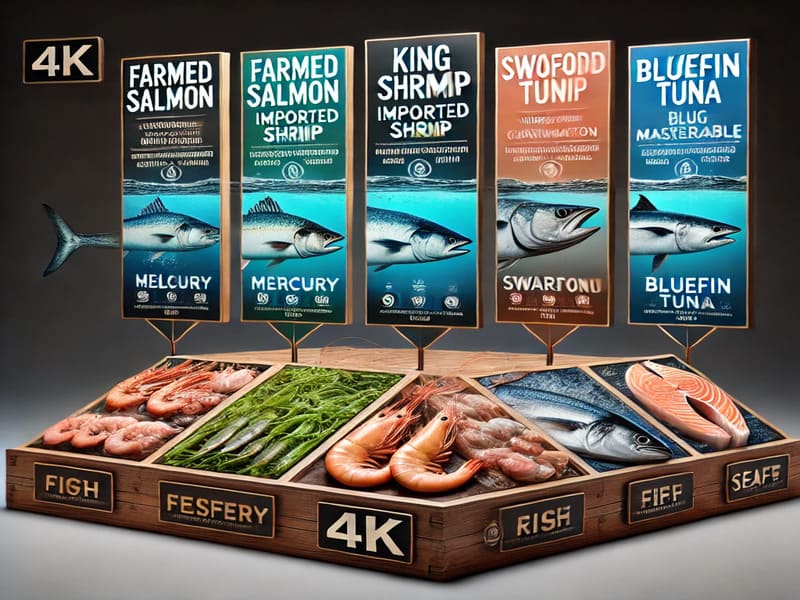
Chamberlains of London – Seafood is often touted as a healthy source of protein, omega-3 fatty acids, and essential nutrients. However, not all seafood is created equal. Some types of seafood can pose risks to your health due to high levels of toxins, contaminants, or unsustainable harvesting practices.
Understanding which seafood to avoid and why is essential for making informed dietary choices. By being mindful of the potential dangers, you can enjoy the benefits of seafood while minimizing health risks and supporting sustainable consumption.
Farmed salmon is a popular choice due to its affordability and availability, but it comes with significant health concerns. Compared to wild-caught salmon, farmed salmon often contains higher levels of contaminants such as polychlorinated biphenyls (PCBs) and dioxins. These toxins accumulate in the fish due to their diet and farming environment.
Moreover, farmed salmon is often raised in overcrowded conditions, which increases the use of antibiotics to prevent disease outbreaks. While farmed salmon remains a rich source of omega-3 fatty acids, the potential exposure to harmful substances raises questions about its safety for regular consumption.
Shrimp is one of the most consumed types of seafood worldwide, but imported shrimp often comes with hidden risks. Many imported shrimp are farmed in countries with less stringent regulations, leading to contamination from antibiotics, pesticides, and harmful chemicals.
Additionally, imported shrimp is sometimes associated with unsustainable farming practices that damage marine ecosystems. Choosing domestically sourced or sustainably farmed shrimp can help reduce these risks while supporting ethical and environmentally friendly practices.
“Also Read: How to Enjoy Seafood While Keeping Your Diet on Track”
King mackerel is known for its bold flavor and rich omega-3 content, but it also has one of the highest mercury levels among seafood. Mercury is a neurotoxin that can be particularly harmful to pregnant women, children, and individuals with certain health conditions.
Consuming king mackerel frequently can lead to mercury accumulation in the body, which may cause neurological and developmental issues. Opting for lower-mercury fish such as sardines, herring, or wild-caught salmon is a safer alternative.
Similar to king mackerel, swordfish is another types of seafood with dangerously high mercury levels. This large predator accumulates mercury over time due to its position in the food chain. While it is prized for its firm texture and mild flavor, swordfish is not recommended for frequent consumption.
For those who enjoy the taste of swordfish, consider limiting your intake and choosing smaller portions. Alternatively, replace swordfish with other low-mercury fish like cod or tilapia for a safer option.
“Also Read: Bekasi’s Hidden Art: Transforming Melamine Plates with School Pens into Stunning Works”
Bluefin tuna is a delicacy that commands high prices in the culinary world, but its consumption comes with serious ethical and health concerns. This species is overfished to the point of endangerment, making it an unsustainable choice.
In addition to its environmental impact, bluefin tuna is also high in mercury and other contaminants. Choosing albacore or skipjack tuna, which are more sustainable and lower in mercury, is a healthier and more responsible alternative.
While seafood can be a nutritious addition to your diet, it is crucial to make informed choices to protect your health and the environment. Opting for sustainably sourced, low-contaminant seafood not only benefits your well-being but also supports marine conservation efforts.
Consider consulting resources like the Monterey Bay Aquarium’s Seafood Watch or similar guides to help identify sustainable seafood options. By being mindful of what you consume, you can enjoy the benefits of seafood while contributing to a healthier planet.
Chamberlains of London, London - Penelusuran kuliner mengungkap bahwa London menyimpan lebih dari 150 restoran seafood, namun hanya tujuh yang…
Chamberlains of London - London semakin dikenal sebagai destinasi kuliner laut, dengan restoran yang menyajikan olahan seafood yang memukau jutaan…
Chamberlains of London - London kini jadi surga kuliner laut setelah chef internasional mengungkapkan tujuh olahan seafood terbaik yang wajib…
Chamberlains of London - London menjadi magnet gastronomi laut dengan sejumlah restoran yang menggabungkan tradisi Inggris dan inovasi global, salah…
Chamberlains of London, London - Penikmat hidangan laut kini memiliki lebih banyak alasan untuk merayakan kuliner kota ini. Sejak 2022,…
Chamberlains of London - Klaim tentang kesegaran ikan di ibu kota Inggris sering kali menjadi topik perdebatan hangat di kalangan…
This website uses cookies.